

THE CRAFT SERIES
This introductory fiction writing series is for writers starting out or who want a refresher course. The series offers one-night sessions dedicated to one craft topic at a time. The classes are quick-paced overviews of the topic, but fun, informal, and interactive. The topics are (in order): character, plot, dialogue, description, point of view, and voice. Handouts are provided, along with several in-class exercises. Participants with an ongoing work-in-progress will be able to work with their material where it fits in with class exercises.

DESCRIPTION IN DEPTH
DESCRIPTION IN DEPTH
A 3-week in-person class
SATURDAYS, OCTOBER 17, 24, and 31 from 10 am to Noon
Elmore Leonard said, “I try to leave out the parts people skip.” Nothing makes a reader skim more than long, flat passages of description that stop a story’s momentum. No matter what kind of writing you do (fiction, memoir, poetry, essay), this class offers tips, tricks, and exercises designed to make your descriptions come to life. Everyone tells writers “Show don’t tell,” and this class will show you how to do that effectively and creatively. We’ll look at lots of published samples where description is doing double- and triple-duty in a story, and you’ll write some of your own as well. CLASS IS LIMITED TO 8, SO THAT PARTICIPANTS CAN GET FEEDBACK ON ASSIGNMENTS.
The Description In Depth class will take place at ContempoRoast Coffee & Roastery
967 S. Main Street, Centerville, OH. Our classroom is down the hall towards the restrooms on the left. Please arrive early to be sure to order something delicious from the ContempoRoast menu!
CRAFT A LA CARTE: PLOT
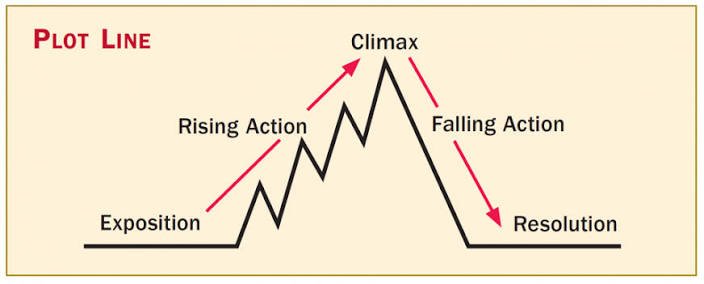
Much like the chicken and the egg question, the answer to "Which comes first, plot or character?" troubles many writers and causes needless anxiety. This class will contend that character and plot are essentially the same thing—a well-structured plot will naturally unfold if the writer focus on some "simple" questions about character motivation. We’ll look at the most basic shape and parts of a plot, and the key ingredient to any story: that the character end in some way changed or transformed. Whether deep in a work-in-progress or just beginning to form an idea, writers will leave with a clear road map for their stories that will keep a plot moving forward and keep readers caring.

CRAFT A LA CARTE: DIALOGUE
Writing dialogue is one of those tricky "make or break" elements of fiction—bad dialogue can sink an otherwise promising story, and good dialogue can make a mediocre story fly. This overview of dialogue will briefly touch on the nuts and bolts of dialogue punctuation, and offer tips and traps to avoid in writing good dialogue. (Note: this class is applicable to any kind of writing that contains dialogue, including memoir and nonfiction).

CRAFT A LA CARTE: DESCRIPTION
Elmore Leonard said, “I try to leave out the parts people skip.” Nothing makes a reader skim more than long, flat passages of description that stop a story’s momentum. No matter what kind of writing you do (fiction, memoir, poetry, essay), this class offers tips, tricks, and exercises designed to make your descriptions come to life. Everyone tells writers “Show don’t tell,” and this class will show you how to do that effectively and creatively. We’ll look at lots of published samples where description is doing double- and triple-duty in a story, and you’ll write some of your own as well.
THE WRITER'S 12 STEP-WRITE YOUR NOVEL IN A YEAR-TRIMESTER 1
THE WRITER’S 12-STEP PROGRAM
A year-long program online via Zoom
BEGINS TUESDAY, JANUARY 12, 2027 FROM 6:30-8:30 pm (EST)
In 2017 Word's Worth launched its inaugural Writer's 12-Step Program: Write Your Novel Draft in a Year, and our ninth offering begins in January 2027. In this class a community of writers all endeavor to complete the first draft of a novel in one year's time. If you ever tried National Novel Writing Month, this is the same idea, but this plan is a little more sustainable and doable with the rest of your life's obligations.
This community meets together virtually (via Zoom) from 6:30-8:30 PM on the second Tuesday of each month from January 2027 to December 2027. In between sessions you'll generate new work, meet with breakout "writing groups” (virtually or in person), and be connected to a private online group where you'll receive a weekly "check-in" with instructor Katrina Kittle as well as receive motivational and accountability posts along the way. Instead of simply saying, "By this time next year I'll have my book done," this program will give you a game plan, frequent deadlines, check points, craft lessons, and the collective creative energy of other kindred spirits attempting the same goal. This program is for any FICTION writer ready to truly commit to their work.
Any genre of fiction is welcome. Memoir writers seeking this kind of community and accountability are welcome, but please understand that the instructional focus will be on the craft of fiction (but creative nonfiction writers use many of these same techniques). Each month will have a focus (although material will change based on the individual needs of group members). (Suggested ages 18 and up)
First Trimester
January 12: Developing Your Plan
February 9: Character Building: Motivation as your GPS
March 9: Conflict and Personal Stakes
April 13: Research Tips and Traps, Intro to Plot
Second Trimester
May 11: More Plot and Structure
June 8: Point of View
July 13: Voice
August 10: Middle of the Book “Crisis”: Plot Layers, Subplots, Enriching Your Cast
Third Trimester
September 14: Theme and Symbols
October 12: Openings and Closings
November 9: Readers and Revision--The Value of Objective Eyes
December 14: Celebration and Next Steps

THE NEXT STEP PROGRAM-TRIMESTER 1
THE NEXT STEP PROGRAM
A year-long program online via Zoom
Registration for this year-long class is only open to previous Writer’s 12-Step class participants.
BEGINS THURSDAY, JANUARY 14, 2027 FROM 6:30-8:30 pm (EST)
After several writers took The Writer’s 12-Step a second (and even a third) time, many asked, “So what’s the next step?” Well, we finally have an answer. We will gather the Thursday after the second Tuesday of each month, beginning in January. This course will take writers who have a completed (or almost completed) draft through the process of revision, approaching it like triage in order to best use your time, energy, and focus (and to prevent that overwhelming stress of not having a clear plan). We’ll start with the macro issues that require attention first and will narrow down to the final polish looking at your work at a sentence level. We’ll read some books and view some movies in common (this is voluntary) so that we have works to use in discussions of symbolism, and strong openings and closings. You’ll be shaping up your novel (or memoir) along with a community of other writers through our private Facebook group. Participants will be encouraged to share work for feedback between classes (with clear instructions) and all participants can share their book openings (and receive feedback) for our final celebratory meeting. Registration follows the same format as 12-Step: you commit to the year, but pay by trimester.
Community. Craft. Commitment.
TRIMESTER 1
JANUARY 14 A Writer’s Resolutions: goal and schedule setting
FEBRUARY 11 Reading (and viewing) like a writer
MARCH 11 Macro Revision: Motivation, Conflict, Stakes, the X-ray
APRIL 15 Macro Revision: Plot Review for Tension using our X-rays
TRIMESTER 2
MAY 13 Macro Revision: Show vs. Tell, Focus on Suspense and Tension
JUNE 10 Dialogue I
JULY 15 Dialogue II
AUGUST 12 Openings and closings
TRIMESTER 3
SEPTEMBER 16 Micro Revision: Voice, Symbols, Setting
OCTOBER 14 Finding Readers/Workshopping
NOVEMBER 11 The final polish: Sentence Level Imagery and Description
DECEMBER 16 Celebration and Sharing of Openings for Feedback

TRADITIONAL PUBLISHING 101
A three-week class online via Zoom
MONDAYS JANUARY 18, 25, and FEBRUARY 1 6:30-8:30 pm (EST)
This workshop will break down how traditional publishing works, taking away the mystery and giving you a clear understanding of the cast of characters involved in publishing, how to research agents, how to query an agent, how to construct a pitch, how to approach comp titles and outlines, how a typical book contract works and more. If you’re wondering, “What’s traditional publishing?” don’t worry—that will be clearly explained as well, along with brief segments on self-publishing and hybrid publishing. Participants will write and receive feedback on pitches and queries. There really is no magic or secret to getting published, but knowing how it all works can be a serious confidence boost. Knowledge is power, and you can use your newfound knowledge from this course to pursue your own path to publication.

JUMPSTART YOUR WRITING
JUMPSTART YOUR WRITING
A 5-week class online via Zoom
WEDNESDAYS FEBRUARY 3-MARCH 3, 6:30-8:30 (EST)
For writers of any level of experience, this class is for writers seeking the inspiration (and nudge) to start a new project (or finally finish one!). All writers can hit those dry spells, the ruts, the dreaded block—those times when we face the blank page and it all feels miserably impossible. This course is full of tips, tricks, and prompts to get you writing again—or even to keep you “in shape” between projects. Each week will focus on some aspect of the writing life (such as creating and defending a writing schedule, dealing with the inner critic, reading like a writer, and defeating writer’s block) as well as providing writing prompts and exercises to develop a character, the structure of a plot, and several story ideas. Writers can build the shape of a new story, enrich a work-in-progress, or simply practice craft. This class is for anyone who longs to write but doesn't know where to start, and for writers who have dabbled but lost their way. WARNING: this workshop just might seduce you into a life-long love affair with writing!

CRAFT A LA CARTE: POINT OF VIEW
Thursday, February 25, 6-8 pm POINT OF VIEW
Point of View refers to both your chosen style of narration (will you write in first person? Third limited? Third omniscient?) and your point of view character (who gets to narrate your story?). How do you make those decisions? How do you know which style of narration is right for your story? This two-hour intensive is full of tips and exercises to help you examine the pros and cons of our POV choices and will examine how “who tells the story controls the story.”

Dialogue In-Depth
DIALOGUE IN DEPTH
A 3-week class online via Zoom
WEDNESDAY MARCH 17, 24, AND 31, 6:30-8:30 (EST)
Writing dialogue is one of those tricky "make or break" elements of fiction--bad dialogue can sink an otherwise promising story, and good dialogue can make a mediocre story fly. Through informal and friendly class lectures, exercises, and plenty of published examples, this three week course will help you write dialogue that gives the illusion of real speech but stays focused, reveals character, adds tension, and adds depth through subtext. We'll also tackle dialogue punctuation, writing in dialect, handling monologues, and more. (Note: this class is applicable to any kind of writing that contains dialogue, including memoir and nonfiction).

CRAFT A LA CARTE: VOICE
Thursday, March 25, 6-8 pm VOICE
Whether we’re writing in first person or third, it’s vital for our characters to have distinctive voices. Even if you’re writing with an omniscient narrator, eventually there will be dialogue and when your characters talk, they should sound like individual people. We’ll use these two hours to discuss what makes up a voice, look at examples of strong character voices in published work, and delve into exercises designed to help you create those individual voices in your own work.

CREATE A CHARACTER (CHARACTER IN DEPTH)
CREATE A CHARACTER (CHARACTER IN DEPTH)
A 5-week in-person course
Location TBA
WEDNESDAYS, APRIL 7, 14, 21, 28, and MAY 5
Of all the elements of fiction, character is the most important. From the very opening pages of your story, your main character is responsible for giving the reader some reason to care and keep reading. But how do you evoke that kind of identification with the reader? This five-week series will provide several exercises to strengthen your characters, develop their backstory, handle their physical description, and create their voice. We'll look at examples of beloved characters from The Walking Dead to Breaking Bad, examine how motivation affects character, and all the techniques available in a writer's toolbox to develop a protagonist (and antagonist) a reader can't forget. This series will help you create a character, or give more depth to a character you're already working with in a work-in-progress. Note: We will be using the Edgar Award winning novel Deer Season by Erin Flanagan in class. Participants are encouraged to obtain their own copy (in any format).
FIRST CHAPTERS, FIRST IMPRESSIONS
FIRST CHAPTERS, FIRST IMPRESSIONS
In person
Thursday, May 6
Location TBA
The opening of your story or novel has a huge list of responsibilities. The opening is the first impression—for agents, for editors, and for readers. The opening must create a story promise and pull the reader into the story world. It sets events in motion and establishes a mood and tone. We meet a voice and sense the story’s purpose…and decide whether or not to keep reading. This intensive two-hour class will offer tips to hone an opening, as well as warn you of traps and pitfalls to avoid. We’ll look at plenty of published samples. You don’t need to have a completed draft or even a polished opening to benefit, but bring your first page if you have one.

CRAFT A LA CARTE: CHARACTER
From the very opening pages of your story, your main character is responsible for giving the reader some reason to engage, to care, and to keep reading. We’ll examine the crucial keys to character: motivation and personal stakes. We’ll discuss how to develop backstory and the difference between internal and external characterization. This class can help you create a character, or give more depth to a character you're already working with in a work-in-progress.